

If you feel like time is speeding up with every revolution you make around the sun, you’re not alone. The good news is you can slow down time.
Ok, not really, we can’t actually make physical time go slower, but we can slow down our perception of time.
Who am I to tell you this? Since 2018, I’ve been trying 52 new things a year. These are things that I have never done before, and range from the daft to the daring, the easy to the extreme, and everything in between.
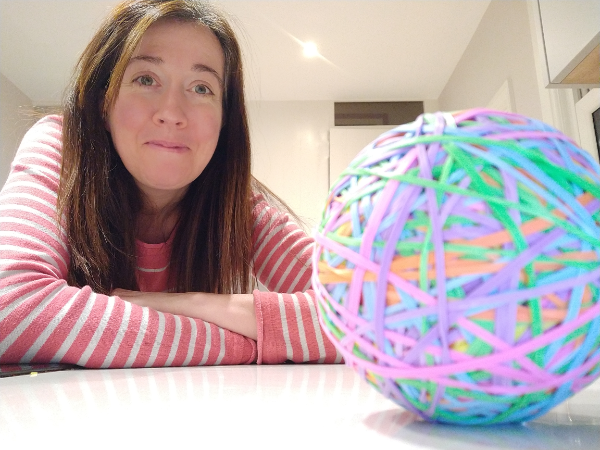
Some of them may seem like uneventful or even mundane activities (making a rubber band ball, writing an invisible ink letter), whilst other experiences are knee-knockingly scary (cliff camping, stand-up comedy). They are all experiences that are new to me, and since I’ve taken on this annual challenge, it’s helped me to feel as though I have slowed down time.
Clearly, this is a very bold claim, so alongside sharing my experience, I’ve included some of the psychology of time perception (also known as Chronoception), to add some weight to my words, and as added encouragement for you to seek out more new experiences.
Perception of Time
Often, whatever new thing I’m trying can feel as though it’s over as soon as it’s started because I’ve been so engrossed in the moment. Yet, when I look back at what I’ve done, it feels as though the activity lasted much longer than it actually did.
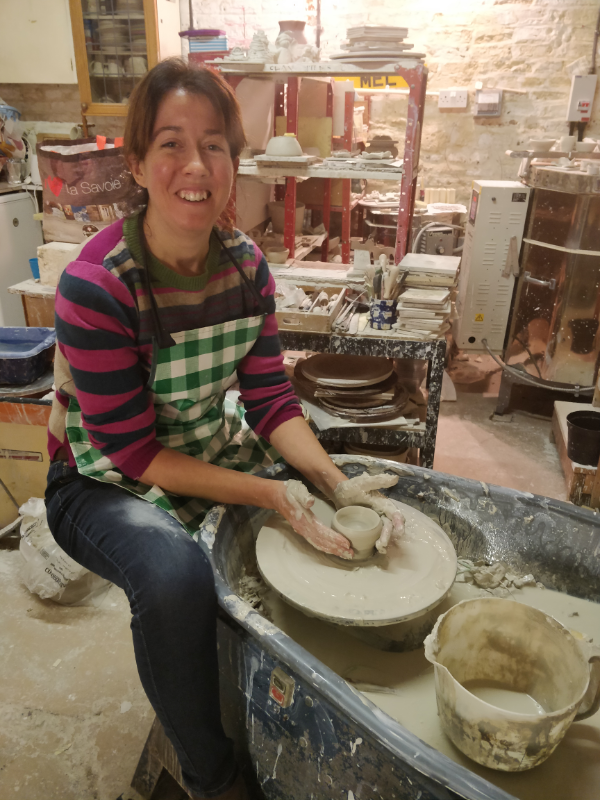
Having a go on a pottery wheel for the first time gave me many tongue-out moments as I concentrated on rotating the wheel at a consistent speed, and trying to gently encourage the clay to rise up evenly into some semblance of a pot, (they turned out a little wonky, but that makes them individual and unique, right?).
The sixty minute session flew by, but when I reflect back on the experience, it feels like it must have been at least a half-day workshop..
Claudia Hammond, author of the book Time Warped, calls this the Holiday Paradox. The idea being that when we’re in the moment of a holiday, which is often full of new things to see, taste, and smell, time can feel as though it’s gone in the blink of an eye. Yet when we return to daily life, it feels as though we’ve been away for ages.
This perception of time definitely doesn’t only apply to holidays, and one of the key things to note from Claudia’s theory is the focus on new experiences.
The Oddball Effect
Have you ever heard of cabochon? It was a new one for me when I gave it a go. It’s the craft of making glass stone art.
Discovering more about the history of the technique and how to achieve it was a really enjoyable experience. It was something different in what was a pretty regular week, and it helped to create a moment that felt as though it lasted longer than a night in front of the television.
Days of routine and repetition tend to speed up the more frequently they happen without any diversion, so doing something new stands out and can help time feel as though it has momentarily slowed down.
This is known as the Oddball Effect. Yes, really! Many studies have been done into this whereby participants watch a screen which flashes the same image multiple times, and a different image just once. Although both images are on the screen for the same amount of time, participants perceive the visual they only see once to have been displayed for longer.
So again, it’s evidence to suggest that the advent of something new can help us to feel as though time has slowed down..
Make Moments That Matter
A big supporter of bringing newness into our lives is neuroscientist David Eagleman. He suggests that we don’t remember most things in life because the job of our memories is to capture things that matter.
If you think about it, when you walk to the shop, you don’t ordinarily remember what people were wearing, how many trees you walked past, or the make of cars that drove by on the road, unless there was something that stood out as being different.
David encourages seeking out novelty in life, because doing something new will lay down more meaningful data for our memories to draw upon as footage when we reflect back on time. Through trying 52 things a year that I’ve never done before, I absolutely agree with him.

Following the instructions of a professional chef, cooking with pre-weighed ingredients, using state-of-the-art appliances, and not having to wash a single dish — were all significant memories from trying a cookery course. Add in the sizzle and steam of the pans,, the first slice through a perfectly cooked, melt-in-the-mouth dish, and a rich, creamy sauce that brought it all together… every forkful felt like a reward, and I’d made it all myself.
The cookery course was a novel experience for me, and because it was unique, I seem to be able to recall many more of the moments than if I’d spent the evening doing something familiar.
Embrace the Fear of Stepping Out of Your Comfort Zone
Being afraid can make it feel as though time is being stretched out and moving slowly until you feel safe again.
There’s often an element of fear when trying something new for the first time. Whether it’s being nervous about meeting a room full of strangers, feeling scared about being any good at the new thing we’re trying, or some extreme new things, such as skydiving, can bring about intense fear.
The adrenaline was racing through me as I waited to go onto stage to perform stand-up comedy for the first time. The minutes before stepping up to the microphone felt never-ending. The nerves made it difficult to shift my focus to anything other than the fact that I was about to walk out on stage and attempt to purposefully make people laugh, and it felt agonisingly long. I’m pleased to say that people did laugh, and that it didn’t sound like pity laughter!
As someone with a fear of spiders myself, just thinking about the experiment from Tipples et al. makes me feel uncomfortable, but it supports the idea that being afraid can make time feel as though it has slowed down. Participants in the study were asked to watch a video of spiders and say how long they thought the clip had been playing.
The arachnophobes overestimated the duration of the film far more often than the participants who were not afraid of the eight-legged creatures, suggesting that fear makes us perceive time as moving more slowly.
Of course, being afraid isn’t particularly a state we naturally choose to put ourselves in. Yet, if you can get comfortable with feeling the fear at the edge of your comfort zone, it can help you to focus. That focus can help you to capture more memories when you try something new, and those new memories, as David Eagleman said, can feel as though you’ve slowed down time.
Slow Down Time – Think About the Future
If you want to slow down time, or at least your perception of it, you need some purposeful pauses to punctuate your calendar.
Look ahead, and book something in that you’ve never tried before – knowing it’s in the diary means it’s more likely to happen. It also means when you look back at your calendar, you’ll have a record of when you broke up the routine and did something new.
Slow Down Time – Be in the Moment
I don’t know about you, but whenever I try something new, I give it my full attention. I want to learn about the activity, I want to be able to follow the instructions, enjoy the process, and I want to give it my best shot.
Although not every new thing I have tried has always turned out well – I dislocated my thumb trying tag rugby, and the first time I made hot cross buns, they turned out to be incredibly dense, chewy and inedible.
Being focused and in the moment gives your brain a break from the relentless busyness of daily life. There’s no time to think about the to-do list, or what to cook for dinner, or the deadline that is looming, because you’re too busy learning and experiencing something for the first time and creating new memories.
Being in the moment gives your thinking mind a break, helping it to reset, recallibrate, recharge and ready to tackle the rest of the day with a new sense of purpose. Another reason to try something new!
Slow Down Time – Reflect on the Past
Once you’ve tried something new, you’ll have your own personal experiences and thoughts about the event, and capturing those in some way can help to secure your memories.
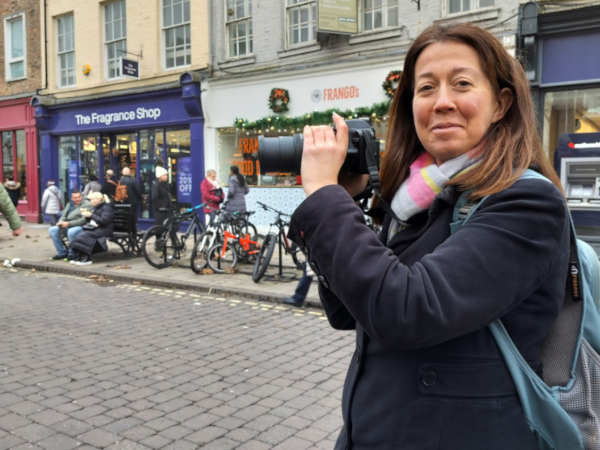
- Perhaps you took some photos whilst you were trying the new thing, so why not print one out, put it in an album or share it on social media.
- Tell people the story about the new thing you tried, and you might inspire them to try something new too.
- If you keep a diary or you journal, make sure to write about your experience. Looking back at what you’ve written will have the memories flooding back.
I’ve been writing up the new things that I have tried on my Challenge Fifty Two website. Whenever I’m immersed in the writing it takes me right back to the moment and helps to capture more of the memories. Being able to look back on the site at what I’ve done makes me realise just how much I’ve managed to fit in.
Slow Down Time – Embrace Your Inner Child
Every day is filled with newness for children. An involuntary screw up of the face from the first taste of a lemon, to the first time wobbling along unsteadily without stabilisers when riding a bike. Children are constantly surrounded by new experiences.
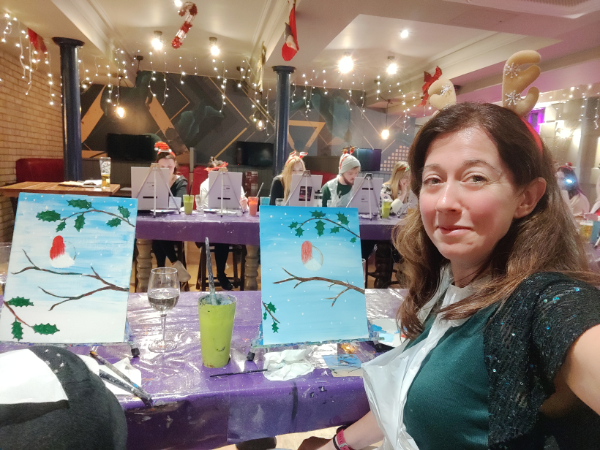
As adults, life becomes a lot more repetitive. Now that’s not a bad thing. Routines most definitely have their place. They can help to reduce anxiety and stress because they bring about a sense of familiarity and control. Routines can help us to feel grounded and calm, and they can make us efficient. The more we do something, the better we usually become at it. Repetition is definitely a good thing!
Yet, if we only ever follow patterns of routines, we’re risking missing out if we slip into operating on autopilot.
Of course, we don’t remember each and every single new experience we have. I know I can’t remember the first time I sat on a swing, or the first time I wrote my name, but it’s the fact that we were experiencing so much novelty when we were young that is a contributing factor in our childhoods feeling as though they went on for such a long time.
So reconnect with your younger self, be curious about the world, dive into new experiences, and create more anchors of novelty. When you look back and reflect, you’ll have more significant memories which will make you feel as though time has moved more slowly.
Experience More Unique Experiences
To help you feel as though time has slowed down, you need to experience more new things. Add more memory markers, purposeful pauses, and novel moments into your calendar.
Doing something new, out of your ordinary routine or just different to a regular day, will help you to have clear identifiers in the past and key unique moments that stand out when you look back on time.
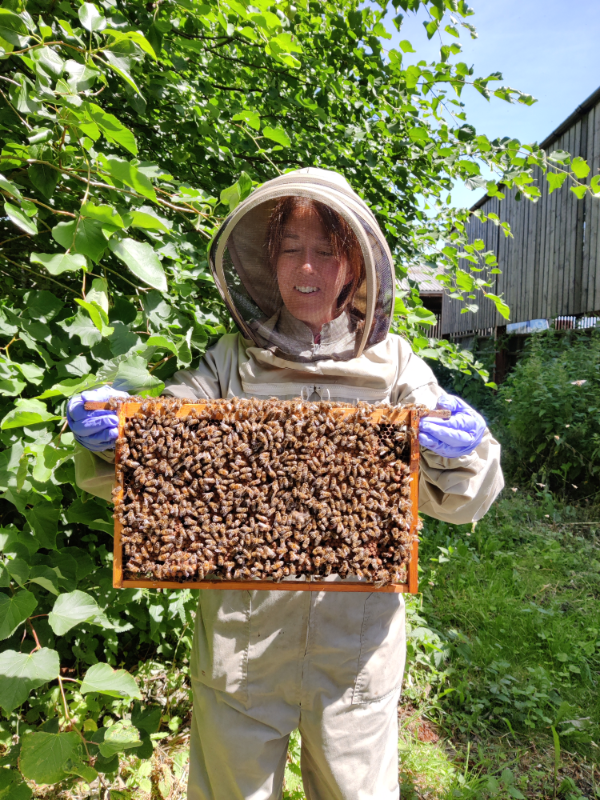
There are many, many benefits to trying new things, and helping to slow down time so it doesn’t feel as though it’s flying past at increasing speed each year is just one of them, as you’ll be making more meaningful memories.
Uniquely Local is, well, unique, in the abundance of experiences on offer. Whether it’s a big step out of your comfort zone, getting hands-on with a new craft, enjoying a foodie experience, or trying something that’s a boost for your wellbeing, you’ll find plenty of options for new things to try. What will be first on your list?
This blog was written and researched by Sally Millington from Challenge 52. Head over to her website to read about the amazing experiences she has been enjoying since 2018.